

The Curb Cut Effect: 7 Everyday Hacks You Wouldn’t Have Without Disabled People
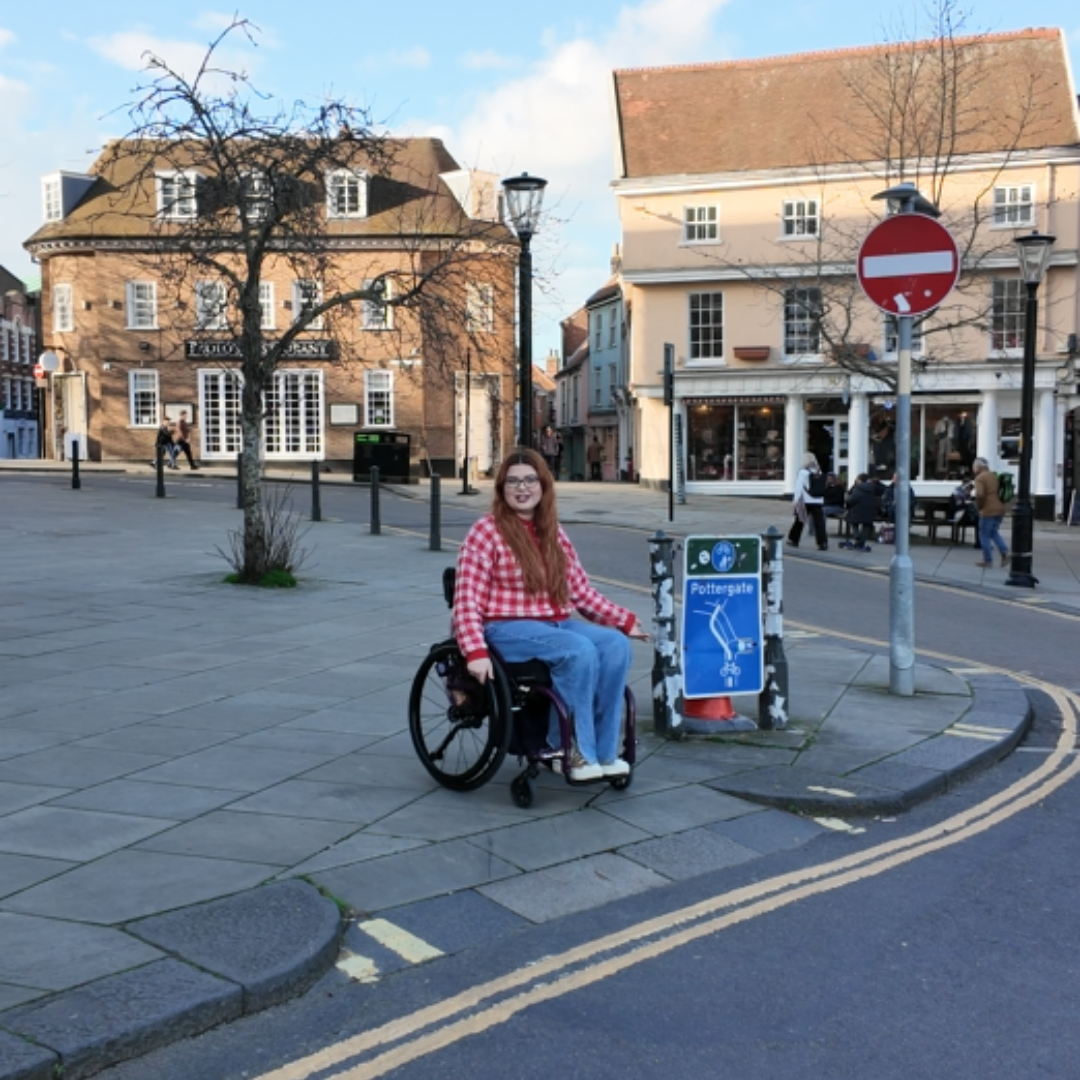
You might have heard of the curb cut effect, a term coined by activist Angela Glover Blackwell to describe how something designed for one group of people ends up benefiting everyone. The name comes from the little ramp at the end of a pavement, whether you call it a curb cut, dropped kerb or kerb ramp, the first of them were crudely installed by disabled students in Berkley, California in the 1970s to help wheelchair users navigate city streets. Some of the first curb cuts in the UK appeared in Norwich also in the 1970s after disabled architect Selwyn Goldsmith interviewed disabled residents to find out what was most important to them when it came to access. Pretty soon, everyone started using them: parents with buggies, travellers with suitcases, delivery workers and cyclists and now they feature on most street corners.
That’s the power of universal design. When we build with access in mind, it doesn’t just help a few people, it makes life smoother, safer and more independent for everyone.
So, let’s take a look at 7 everyday tools you’ve probably used without realising you have disabled people to thank.
1. Curb Cuts & Ramps
Let’s start with the original. Obviously, ramps in general pre date history but we mainly see them in place today in order to make locations accessible for disabled people but they often benefit everyone. Curb cuts first appeared in places like Kalamazoo, Michigan (1940s) and later became widespread thanks to disability rights campaigns in the 1970s, particularly in Berkeley, California. Activists, mainly students from the local university demanded that cities become navigable for wheelchair users, as although buildings were becoming more accessible inside that didn’t help when the outside was not accessible and there was no way to easily or safely get between buildings.
Their efforts led to the installation of curb cuts at intersections across the U.S. and similar movements followed in other countries followed. In the UK, the first 15 curb cuts are thought to have been built in Norwich after Disabled architect Selwyn Goldsmith interviewed Disabled people in a study later referred to as the Norwich Project which highlighted areas which needed to improve for accessibility. This lead to the UK’s first curbs cuts and one of the worlds first accessible public toilets. But the fight for access continued and public spaces did not start to truly become more accessible until the Americans with Disabilities Act was passed in 1990, but that’s a story for another day. Now, curb cuts are everywhere. But while almost everyone benefits from them, the people who pushed for them were disabled. That’s the curb cut effect in action.
2. Electric Toothbrushes
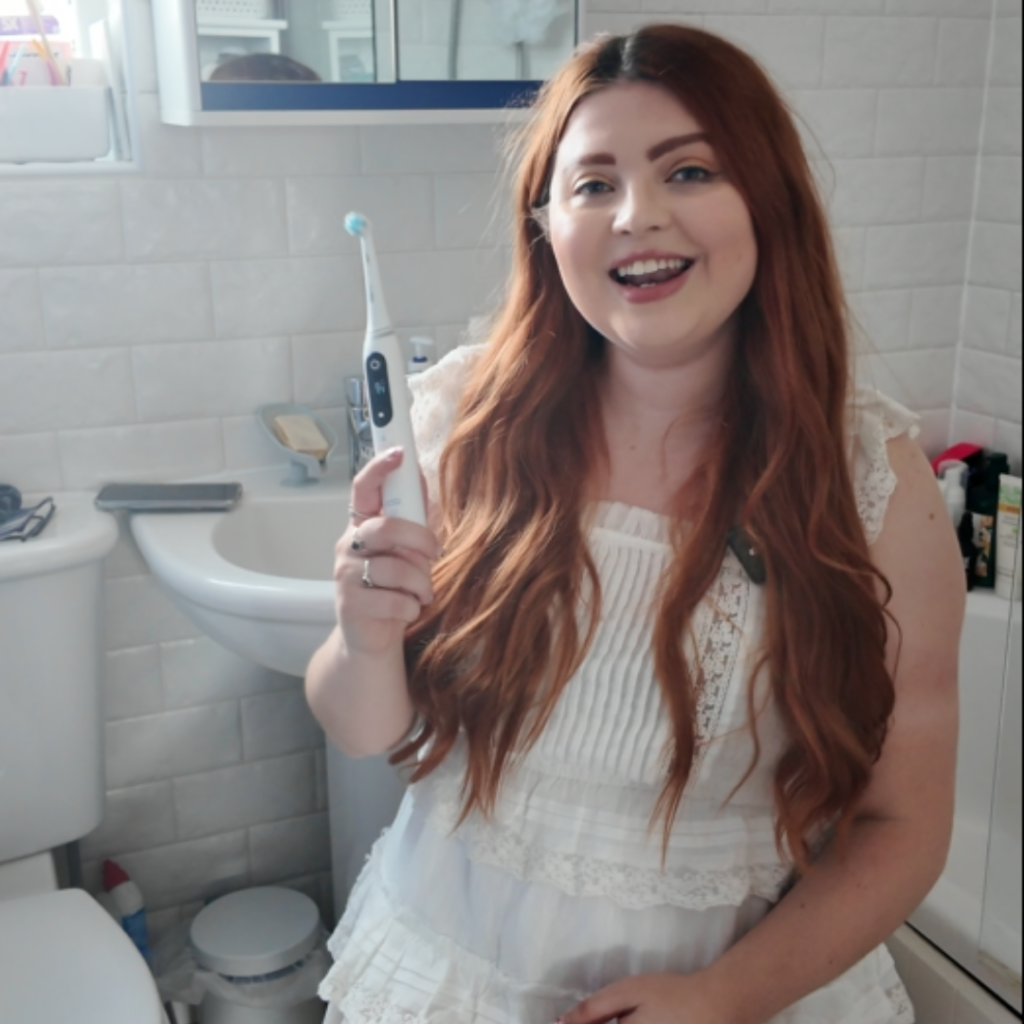
In 1954 Swiss Dentist, Dr. Philippe-Guy Woog, developed the first electric toothbrush and it was specifically for people with limited dexterity and for orthodontic patients. These early brushes were designed to make oral care possible for people who found manual brushing difficult or painful.
Fast forward to now, and electric toothbrushes are everywhere, not because people are lazy, but because they work well for everyone. It’s a great example of how disability-focused design often sets the standard for better design overall.
3. Audiobooks
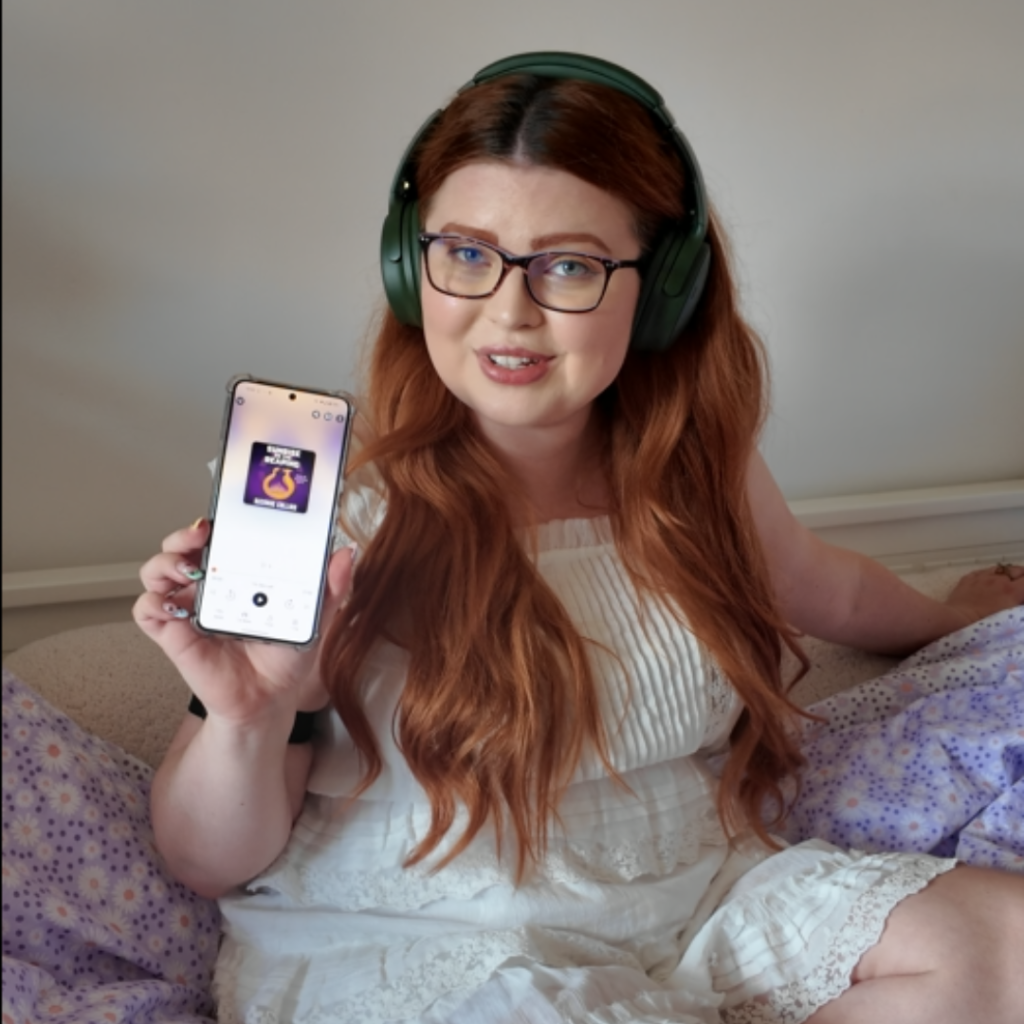
Before they became the multitasker’s best friend, audiobooks were created for blind and visually impaired readers. In 1932, the U.S. launched the Talking Book Program, a collaboration between the Library of Congress and the American Foundation for the Blind. Britain followed shortly after, with the RNIB’s Talking Book Service launching in 1935.
These early audiobooks were recorded on large vinyl records and posted out free of charge to blind readers. Today, apps like Audible and Libby have made audiobooks a mainstream staple; used on commutes, in classrooms, and as a screen-free way to wind down. Once again, disabled innovation led the way.
4. Subtitles and Captions
Subtitles have been around since the days of silent films, when intertitles helped all audiences follow the story. But closed captions, which include not just dialogue but sound cues like [music playing] or [door creaks], were created in the 1970s to give Deaf and hard of hearing viewers full access to television.
The first captioned broadcast aired in the U.S. in 1972, and captioning became a legal requirement for broadcasters in many countries by the 1990s and early 2000s.
Although there still needs to be mass improvement within the film and tv industry to make sure captions are available for those who need them. Today, captions are used by millions, especially when consuming online content. They’re used; on public transport, in noisy cafes, on social media, and by people who just prefer to watch with the sound off. As a neurodivergent person I know they help me remain focused. Social Media platforms even recommend putting them on your content so it can reach a larger audience as between 75%-85% of people consume video content without sound. What started as an accessibility tool is now an everyday feature.
5. Communication Tools: From Typewriters to Texting
Back in 1808, Italian inventor Pellegrino Turri created one of the earliest known typewriters, not to launch a business empire, but to help his blind friend write letters independently. That access-driven innovation was the starting point for the QWERTY keyboards and laptop setups we use today.
Fast-forward to the 1960s and 70s, and Deaf engineers were building early TDDs (Telecommunication Devices for the Deaf), which allowed people to type messages over phone lines. These were the direct ancestors of SMS texting which, by the 1990s, had become a global phenomenon.
Today, texting and messaging apps are the dominant way people communicate. But it all started with disabled people finding ways to connect.
6. Touchless and Automatic Doors
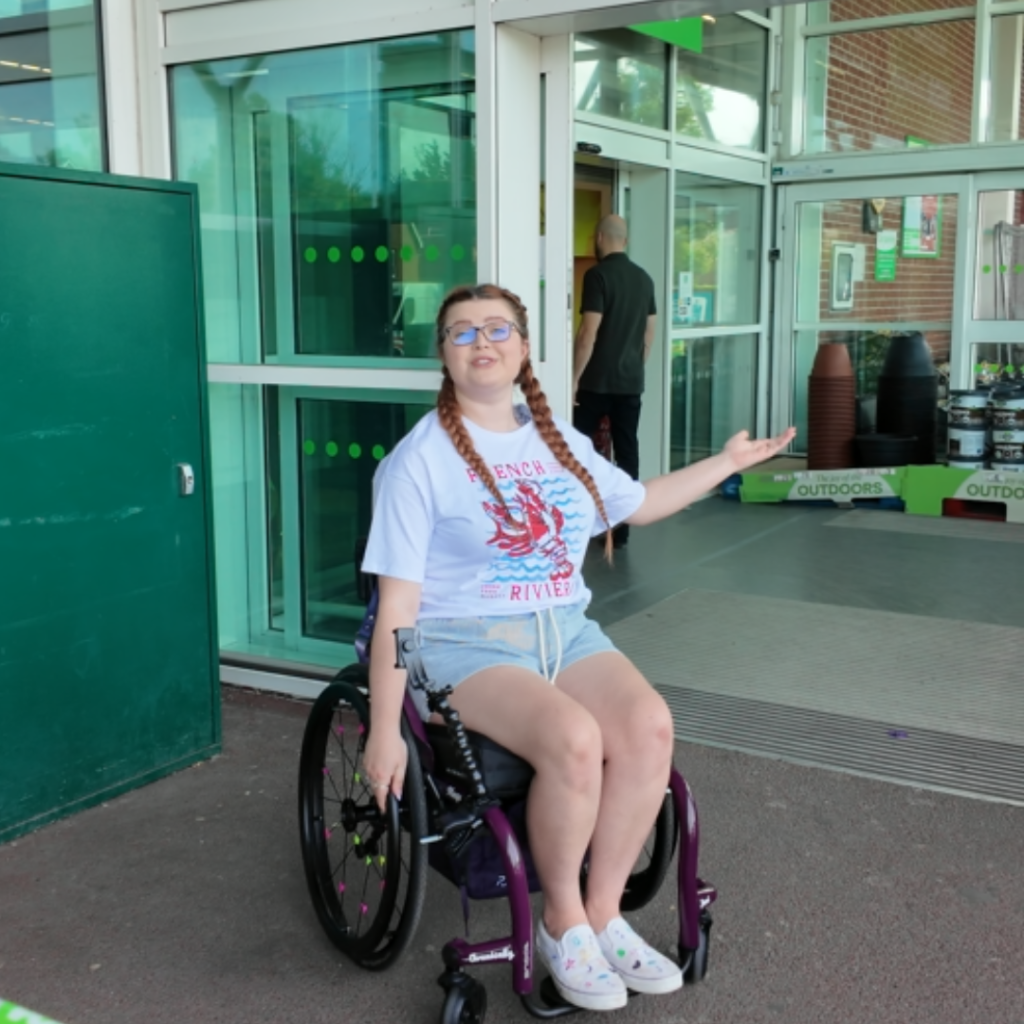
Automatic doors were developed in the mid-20th century to make buildings more accessible for wheelchair users and people with limited mobility, particularly in hospitals and public buildings. Before these, simply entering a space could be a barrier, heavy doors, awkward handles, or needing someone else to help. Automatic doors removed that barrier, allowing people to move independently. Over time, their use expanded far beyond accessibility. Today, they’re everywhere: supermarkets, airports, offices and train stations. It’s hard to go through everyday life without coming across one. Again, what started as an accessibility feature is now seen as standard design.
7. Hook & Loop Fastenings (Velcro)
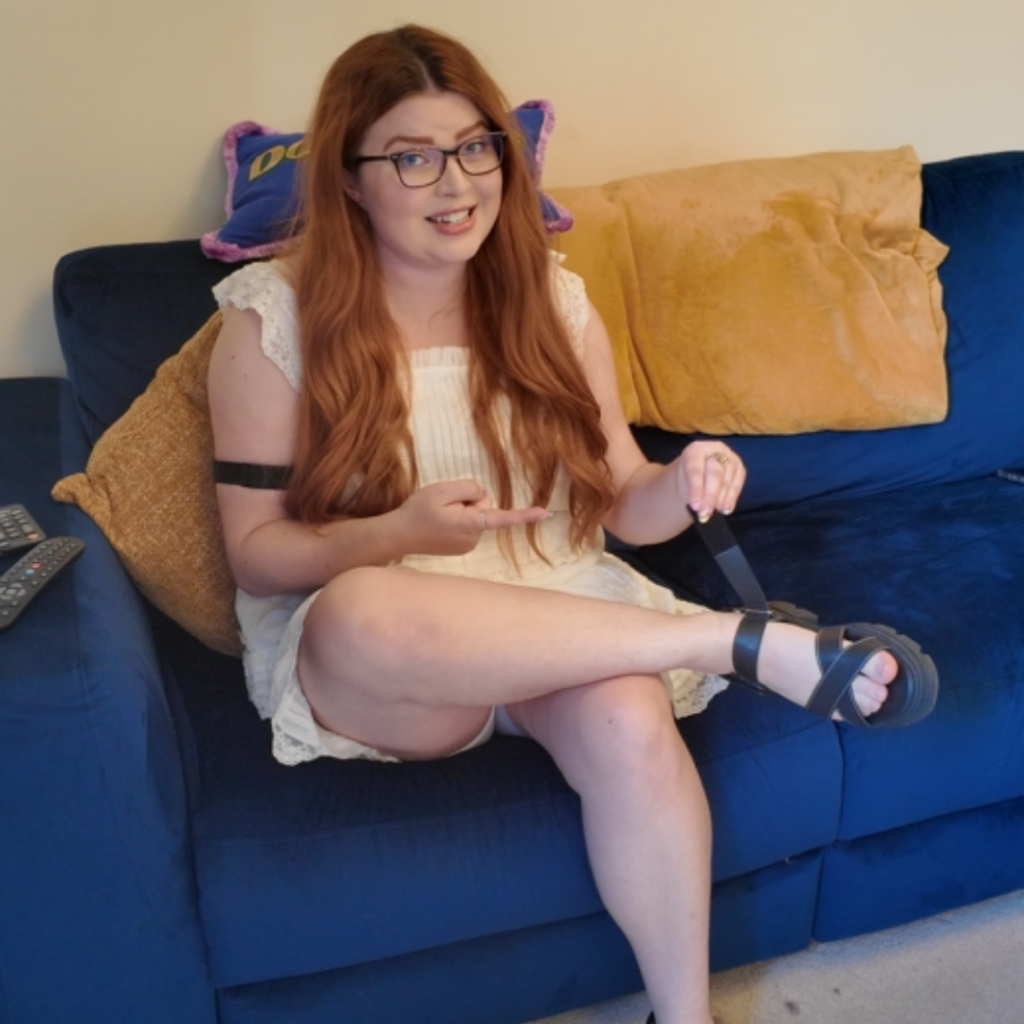
Velcro is one of the most well-known examples of everyday design inspired by nature. It was invented in the 1940s by Swiss engineer George de Mestral, after he noticed burrs sticking to his clothes and his dog’s fur during a walk. When he looked at them under a microscope, he discovered tiny hooks that latched onto loops in fabric, which led to the creation of the hook-and-loop fastening system. Although the idea was developed in the 1940s and patented in the 1950s, it wasn’t immediately popular. It took time for people to understand how and where it could be used. Velcro became widely adopted in accessibility and care settings because it’s easier to use than buttons, zips or laces, especially for people with limited dexterity, mobility or coordination. Then, in the 1960s, its use by NASA helped bring it into the mainstream. Astronauts used Velcro to secure objects in zero gravity, which gave it a “space-age” reputation and helped drive wider adoption in clothing and everyday products. Today, Velcro is everywhere: shoes, school bags, adaptive clothing, medical equipment and everyday fastenings. It’s a clear example of how design moves between different spaces, from innovation, to accessibility, to mainstream use.
When people think about accessibility, they often assume it’s something “extra”, a feature added on after the fact. But disabled people have always been at the forefront of innovation. We solve problems in creative ways because we have to, and society benefits from those solutions. Disability Drives Innovation, Accessibility helps everyone, so next time you’re using one of these everyday hacks, remember where they came from.
That’s the curb cut effect: a reminder that designing for access doesn’t just help a few. It helps us all.
I first made a video on this subject last year and was lucky enough to have it go viral and shared by famous faces including Senator Cory Booker, comedian and host Loni Love, actress Lea Thompson, actress Rose Ayling-Ellis, actress Georgia Tennant and content creator Louise Pentland to name just a few. You an watch the original video here!